BedShelfie: 256% Sales Increase From Google Search
This case study explores seasonal SEO campaigns, something which is often overlooked by the community. It also outlines the steps we took to rank BedShelfie for their sales-driving keywords.
256%
12 Weeks
+28 Positions
Back-to-college shoppers spent $12.8 billion on dorm furnishings in 2025. That spending window is narrow, though. Most of it lands between July and September, giving Shopify stores selling dorm products a roughly 12-week window where organic search demand spikes then vanishes.
This Shopify SEO case study looks at how we prepared BedShelfie, a bedside shelf brand built for small spaces, to capture that seasonal demand and turn it into a 256% increase in Google Search sales during Q3 2025 compared to Q3 2024.
Most ecommerce brands treat SEO as a year-round channel. It is. But for products with a pronounced seasonal peak, the real gains come from planning your ecommerce SEO strategies around the calendar.
The Challenge
The brand calls Q3 ‘Dorm Season’ internally. It’s their busiest time of year as demand for one particular product surges: the DormEssential BedShelfie.
The DormEssential is designed to fit the top (and bottom bunk) of standard dorm bunk beds. This makes it a must-have and thoughtful gift for students who don’t want to constantly be getting up and down for items when they’re in bed.
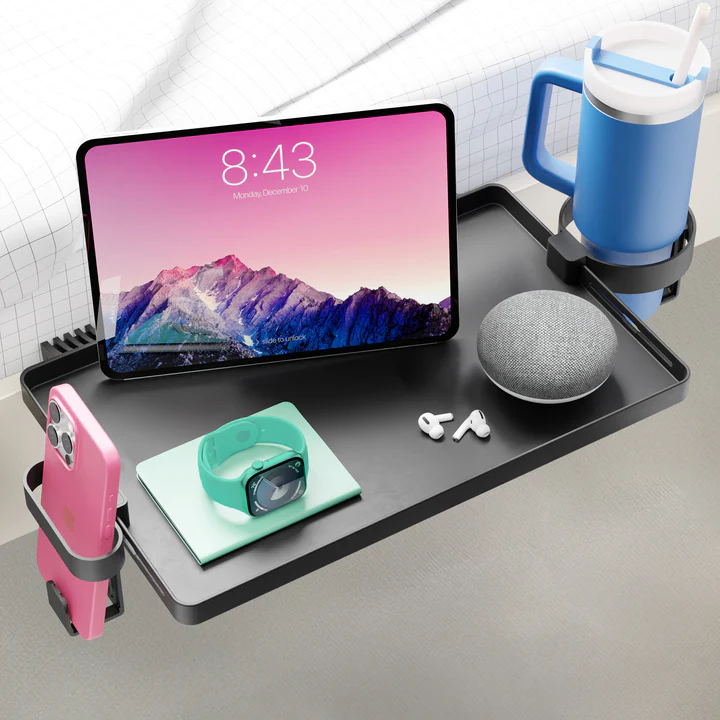
From July through late September (Q3), search volume for terms like ‘dorm bed shelf’ and ‘bedside shelf for dorm bed’ climbs sharply as students and parents buy furnishings ahead of the new academic year.
BedShelfie’s problem was that the website didn’t rank on Google’s page #1 for dorm related keywords. They weren’t entering into the purchasing decision because customers didn’t know the product existed when searching online.
The brief was straightforward: get the right pages ranking for the right keywords before July, because by October the opportunity is gone.
That timing constraint is what separates seasonal SEO from the always-on variety. You can’t launch a campaign in August and expect results by September. Pages need to be indexed and gaining authority before the demand window opens, so we kicked this project off in Q2, giving the site roughly three months of runway.
Strategy & SEO Implementation
Assigning each product page a target keyword
The first job was sorting out which page should rank for which keyword. BedShelfie sells multiple shelf models, and before Mint SEO got involved, several product pages were competing against each other for overlapping keywords.
The DormEssential page wasn’t specifically optimised for ‘dorm bed shelf’ (800 monthly searches) or ‘dorm bedside shelf’ (100 monthly searches).
We mapped and assigned every transactional-intent keyword from our ecommerce keyword research to a single URL. The DormEssential page got the dorm-specific terms. The homepage took broader terms like ‘bedside shelf’ (2,100 monthly searches).
With the mapping locked in, we rewrote on-page copy for each URL: title tags, meta descriptions, H1s, and body content written around the assigned keyword. We also worked with BedShelfie’s team on product page design tweaks so the above-the-fold content reinforced the search intent behind each target term.
Creating an informational content funnel
Transactional keywords sit at the bottom of the funnel. Students searching ‘dorm bed shelf’ are ready to buy. But there’s a wider pool of traffic one step earlier: people searching for gift guides, packing lists, and dorm room essentials who haven’t settled on a specific product yet.
We built three blog posts targeting this layer:
- Practical and Trending Gifts for College Students in 2025
- Essentials Every Freshman Needs for Their Dorm Room
- Dorm Essentials for Guys That Make College Life Easier
Each guide positions the BedShelfie as the first product mentioned. That placement is deliberate. These are long-form articles, and if BedShelfie appears halfway down, a chunk of readers will have clicked away before ever seeing it.
First position captures the widest slice of that traffic, and each post links through to the DormEssential product page with contextual anchor text, feeding back into the internal linking strategy.
Building an internal linking strategy from scratch
BedShelfie’s site had zero internal linking strategy. Product pages pointed at each other through Shopify’s default ‘You may also like’ section, but that was it. No contextual links in body copy. No defined anchor text patterns. No deliberate passing of authority between pages.
We built a linking map connecting every product page, collection page, and blog post. Simple concept, but nobody had done it. The DormEssential page started receiving internal links from the homepage, related product pages, and new blog content, each one using descriptive anchor text tied to the page’s target keyword rather than generic ‘shop now’ labels.
Shopify’s URL structures can get properly messy. Those contextual links help Google understand which page to rank for which query, which is half the battle on a platform where /collections/ and /products/ paths often compete against each other.
Optimising Google Merchant Center product feeds
The final piece was Google Merchant Center. BedShelfie’s product feed was functional but hadn’t been optimised for organic visibility in Google’s Shopping tab, so we updated product titles to include the target keywords, refined descriptions, and corrected the product category taxonomy to match Google’s expected formatting.
Most Shopify stores overlook this entirely. The organic Shopping tab listings are driven by your Merchant Center feed rather than your on-page SEO, which means a product feed with vague titles like ‘BedShelfie – Natural’ misses the chance to show up for ‘bamboo bedside shelf’ or ‘dorm bed shelf natural’.
End Results
256% increase in Google Search sales

BedShelfie’s sales from Google Search grew by 256% in Q3 2025 compared to Q3 2024. Same uplift across both Shopify’s ‘total sales by referrer’ and ‘sales attributed to marketing’ reports, which confirmed the growth wasn’t a quirk of one attribution model. Commercially sensitive revenue figures aside, the percentage tells the story.
That growth landed during the exact window it needed to. Dorm Season is finite. Miss it by a month and you’re waiting another year.
23 transactional keywords, all improved, all converting
Across 23 tracked keywords, every single one improved between March 2025 and January 2026. The full breakdown is in the table below, but a few movements stand out:
- ‘Dorm bed shelves’ jumped 28 positions to reach page one
- ‘Clamp on side table’ climbed 24 spots from near-invisibility on page three to position 4
- Four keywords that BedShelfie had no ranking for at all, including ‘bedside cup holder’ (100 monthly searches), entered the top 10 for the first time
| Keyword | Monthly Searches | March 2025 | Jan 2026 | Movement |
|---|---|---|---|---|
| bedside shelf | 2,100 | 8 | 3 | +5 |
| dorm bed shelf | 800 | 13 | 3 | +10 |
| bunk bed tray | 150 | 14 | 9 | +5 |
| bed side shelf | 150 | 5 | 3 | +2 |
| bedside cup holder | 100 | — | 4 | New |
| dorm bedside shelf | 100 | 13 | 3 | +10 |
| dorm bed shelves | 60 | 30 | 2 | +28 |
| floating bed shelf | 50 | 24 | 8 | +16 |
| nightstand attached to bed | 50 | 10 | 9 | +1 |
| bunk bed cup holder | 50 | — | 7 | New |
| clamp on side table | 40 | 28 | 4 | +24 |
| bedside shelf for dorm bed | 40 | 13 | 4 | +9 |
| bunk shelf | 40 | 15 | 4 | +11 |
| bunk bed nightstand | 30 | 32 | 9 | +23 |
| bunk bed table tray | 30 | — | 9 | New |
| nightstand that attaches to bed | 30 | 8 | 5 | +3 |
| bed shelf for dorm | 30 | 17 | 2 | +15 |
| mattress table | 20 | — | 7 | New |
| dorm bedside table attachment | 20 | 13 | 6 | +7 |
| dorm bed table | 20 | 18 | 6 | +12 |
| bedside attachment | 20 | 6 | 4 | +2 |
| table that attaches to bed | 20 | 6 | 3 | +3 |
| bed shelf attachment | 20 | 7 | 3 | +4 |
The core term ‘bedside shelf’ (2,100 monthly searches) improved from position 8 to 3 on the homepage. That’s cemented page-one territory. ‘Dorm bed shelf’ (800 monthly searches), BedShelfie’s most valuable seasonal keyword, climbed from 13 to 3 on the DormEssential product page.
Every one of these keywords carries transactional intent. People searching ‘bunk bed cup holder’ aren’t researching. They’re buying. That direct connection between ranking position and purchase intent is why the keyword gains translated so cleanly into the 256% sales figure.
If your Shopify store sells seasonal products and you’re not building your SEO around that calendar, you’re leaving sales on the table. Mint SEO’s Shopify SEO service is built for exactly this.
We match keyword targeting and on-page optimisation to the demand cycle your products follow, so the rankings are already there when the traffic arrives.
Use this link to get in touch with us about kickstarting your next SEO campaign.